
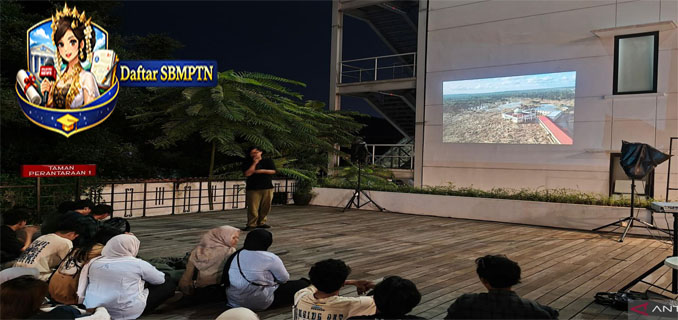
Daftarsbmptn.com – Several senior journalists and media practitioners shared their experiences and important tips for covering natural disasters in a recent journalistic discussion forum. The discussion highlighted two key aspects that often pose challenges in the field: journalist safety and providing balanced and ethical news during a crisis.
The discussion forum was attended by journalists from various print, online, and television media outlets, including journalists with experience covering earthquakes, major floods, volcanic eruptions, and hydrometeorological disasters in various regions of Indonesia. The speakers agreed that disaster coverage requires not only speed but also mental preparedness, risk awareness, and empathy for the victims. One senior journalist, Ahmad Prasetyo, emphasized that journalist safety must be a top priority. He stated that no story is more important than life.
“Often, journalists are driven to chase dramatic moments, even though conditions on the ground are very dangerous. It’s important to understand the situation, follow the officers’ directions, and not push yourself,” he said.
During the discussion, journalists shared several practical tips, ranging from preparation before going to a disaster site, such as bringing safety equipment, familiarizing themselves with the terrain, and understanding the potential for subsequent disasters. Journalists were also urged to always coordinate with editors and authorities to ensure safe and controlled coverage.
Besides safety, journalistic ethics were a key focus. Journalists were reminded not to exploit the suffering of victims for sensational purposes. The presentation of images, videos, and narratives must be done responsibly and with empathy.
“Disaster victims are not objects to be watched. They are human beings experiencing trauma,” said Dewi Kartika, a television journalist who frequently covers natural disasters.
Dewi also emphasized the importance of maintaining a balance of information. According to her, disaster coverage should not only focus on damage and grief, but should also present solution-oriented information, such as evacuation routes, refugee locations, available aid, and clarification from authorities to prevent hoaxes.
The discussion also addressed the challenges of the digital era, where information spreads rapidly through social media. Journalists are required to be more thorough in verifying data and resist the temptation to spread information that is not yet confirmed. Misinformation in disaster situations is considered to trigger panic and worsen the situation.
“Speed is important, but accuracy is far more important. We must not let the media become a source of confusion in the midst of a crisis,” said Rudi Santoso, editor of a national online media outlet.
He added that the media has a strategic role as a provider of information that calms, not provokes. The discussion forum also highlighted the importance of journalists’ mental health. Covering disasters often leaves a psychological impact, especially for reporters who repeatedly witness loss of life and extensive damage. Therefore, media companies are encouraged to provide psychological support and recovery space for journalists after reporting.
Participants agreed that increasing the capacity of journalists in covering disasters needs to be continuously carried out through regular training, field simulations, and discussions like this one. Armed with knowledge, ethics, and safety awareness, journalists are expected to be able to carry out their duties professionally and humanely.
Through this forum, the journalists hope that the practice of disaster reporting in Indonesia will become increasingly high-quality, safe, and responsible. The media will not only serve as a conveyor of sad news, but also a partner for the community in facing and recovering from disasters.