
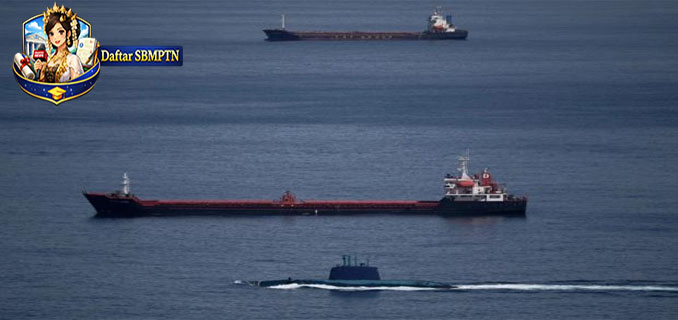
Daftar Sbmptn – The Iranian government has confirmed that the strategic shipping lane of the Strait of Hormuz remains open to ships from various countries. However, Iran has stated that vessels linked to the United States and Israel are not permitted to pass through the area amid escalating regional conflicts.
This statement was made by Iranian Foreign Minister Abbas Araghchi, who emphasized that the restrictions only apply to countries deemed to be attacking Iran. He stated that tankers and merchant vessels from other countries can continue to use the vital shipping lane unhindered.
“The strait is only closed to ships belonging to our enemies those who attack us and their allies. Others are free to pass,” Araghchi said in a television interview.
Vital Route for Global Energy Trade
The Strait of Hormuz is one of the world’s most strategic shipping lanes, serving as the main gateway for oil and gas shipments from the Gulf region to global markets. Approximately one-fifth of global oil trade typically passes through this narrow passage.
Tensions in the region since late February 2026 have raised significant concerns in global energy markets. The conflict began after a military attack by the United States and Israel on several Iranian facilities, which Tehran then retaliated with missile and drone attacks on various targets in the region.
Since then, shipping activity around the Persian Gulf and the Strait of Hormuz has been seriously disrupted. Several merchant vessels have reportedly been targeted, while shipping companies have begun avoiding the route due to increased security risks.
However, Iran insists that not all ships are prohibited from passing through. The Iranian government states that ships from countries not involved in the conflict are still allowed to use the route. In fact, recent reports indicate that several tankers have managed to pass safely amid the tense situation.
United States Response
The United States, on the other hand, condemned the restrictions and stated that it would work with allied nations to maintain the security of shipping in the Strait of Hormuz. US President Donald Trump even urged other countries to send warships to ensure the route remains open to international trade.
According to Trump, security in the Strait of Hormuz is a shared responsibility because the route is crucial to global economic stability. He also warned that Washington is ready to take further military action if Iran continues to threaten freedom of navigation in the region.
This move has sparked concerns that the conflict could escalate and drag more countries into the military tensions in the Gulf region. Several Western countries and US allies are reportedly considering sending warships to escort tankers passing through the waterway.
Global Concerns
This situation has put the shipping industry and global energy markets on high alert. Many shipping companies have chosen to postpone voyages or seek alternative routes due to the still-high risk of attack.
Furthermore, insurance premiums for ships passing through the Strait of Hormuz have reportedly soared due to increasing security threats. This situation has the potential to trigger a surge in global oil prices if this key energy distribution route continues to be disrupted.
Analysts believe that Iran’s statement opening the passage to most ships is an attempt to assuage market concerns and maintain political pressure on the United States and Israel.
However, as long as military conflicts in the region persist, the Strait of Hormuz remains one of the world’s most volatile points of contact. Tensions between Iran, the United States, and Israel are expected to continue to impact the security of international shipping lanes and global economic stability for some time to come.