
Daftarsbmptn.com – Fasting during the holy month of Ramadan is one of the pillars of Islam and is obligatory for every eligible Muslim. However, for pregnant women, fasting often raises important questions due to their changing physical condition and increased nutritional needs. Scholars and medical professionals state that Islam allows pregnant women to refrain from fasting if fasting could endanger their health or that of their fetus. However, if the mother is strong and not concerned about harm, fasting is still obligatory.
Islamic Rulings on Fasting for Pregnant Women
In general, Islam provides wise rules regarding fasting for groups with special circumstances, including pregnant women. The basic principle of fasting for pregnant women is that it is obligatory if they are physically healthy, strong, and do not pose a risk to themselves or their fetus. However, if a pregnant woman is concerned about her own safety or that of her fetus, Islamic law allows for the fast to be abandoned as long as these concerns are addressed.
According to the majority of scholars, pregnant women who choose not to fast for health reasons must make up (make up) the missed fasts at a later time after Ramadan if they are able. This is similar to the concessions granted to sick people or travelers. Another opinion among Islamic scholars states that under certain circumstances, it is permissible to pay fidyah (feeding the poor) if one is unable to make up the fast. However, in general, this decision must be based on an assessment of the mother’s health condition and the advice of medical professionals and religious leaders.
When Can Pregnant Women Not Fast?
The decision not to fast for pregnant women is not solely based on the pregnancy itself, but rather on whether or not there are health risks. Some conditions that are often cited as reasons for not fasting include:
The pregnant woman is severely dehydrated, which can be indicated by infrequent urination, dry lips, or other signs of dehydration.
Extreme fatigue, severe nausea or vomiting, or drastic weight loss due to fasting. The pregnant woman has certain pregnancy complications, such as severe anemia, or medical conditions that make fasting a health risk.
Health professionals also recommend that pregnant women consult a doctor before deciding to fast. This medical advice is crucial to ensure that the choice of fasting or not fasting prioritizes the safety of the mother and fetus.
Tips for Safe Fasting for Pregnant Women
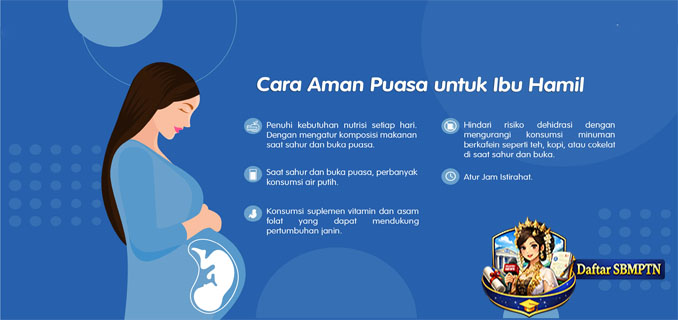
For pregnant women who decide to fast during Ramadan, health experts and medical sources offer several important tips to ensure a safe fast and prevent fetal development:
1. Meet Fluid Needs
Drinking enough water during suhoor (pre-dawn meal) and iftar (breaking the fast) is crucial for pregnant women. Water helps maintain fluid balance and prevent dehydration, which can impact the health of both the mother and the fetus. It is recommended to drink more than usual, especially before imsak (imsak) and after iftar (breaking the fast), to ensure adequate fluid intake.
2. Consume Nutritious Foods
A balanced and nutritious diet is crucial. Pregnant women need to ensure adequate intake of complex carbohydrates, protein, healthy fats, vitamins, and minerals, both during suhoor and iftar. Good nutrition helps maintain the mother’s energy and supports the healthy development of the fetus.
3. Avoid Strenuous Activities
Pregnant women need to reduce strenuous physical activity during fasting to conserve energy and maintain a stable body condition. Light activities such as walking are fine, but adequate rest is highly recommended to prevent fatigue.
4. Consult a Doctor
Regularly consulting a doctor or midwife is a wise step, especially if a pregnant woman feels uncomfortable or experiences worrying symptoms while fasting. Medical advice can help determine whether or not to continue fasting on certain days.
5. Listen to Your Body
Pregnant women should listen to their body’s signals. If they feel dizzy, excessively weak, or experience any other disturbing signs, break their fast immediately and prioritize their health. Islam makes things easy and does not burden its followers, especially in special circumstances such as pregnancy.
Fasting for pregnant women remains obligatory if their health conditions permit and there is no risk. However, if fasting would pose a risk to the mother or fetus, Islam allows for exemption from fasting under certain conditions and generally requires making up for it at a later time. Furthermore, pregnant women who choose to fast need to pay attention to their fluid, nutritional, rest, and medical support needs to ensure a safe fast and maintain the health of their fetus.